STAATUS
Index

We surveyed 1,778 U.S. adults across the country to uncover the most pressing issues AAPIs are facing today.

2026
Attitudes towards Asian Americans
 and Pacific Islanders

Now in its sixth year, the landmark survey finds Asian Americans and Pacific Islanders (AAPIs) navigating an anxious new reality, confronting federal crackdowns on immigration and DEI, escalating trade tensions, and persistent questions about who belongs in America.

It also offers granular analysis of how public knowledge of—and opinion on—the country’s most ethnically diverse communities is actively shaped by longstanding stereotypes, deep-seated misperceptions, and ongoing gaps between policy and lived experiences.

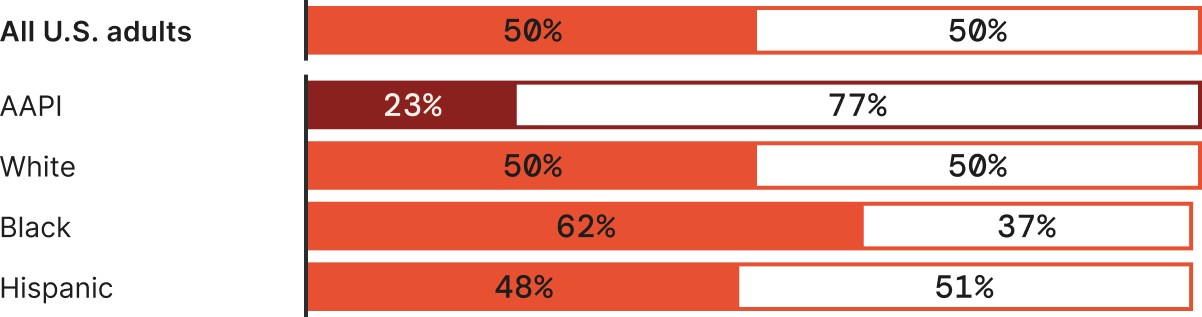
50%
of U.S. adults say being born in the U.S. is important to being truly American, while 77% of AAPIs say it is not.
44%
of AAPIs say they feel worried, while “hopeful” leads for other racial/ethnic groups.
1 in 5
U.S. adults are concerned that Chinese Americans pose a threat to U.S. society.
Only 7%
of U.S. adults believe AAPI communities have “a great deal” of influence on U.S. culture.
Over 1 in 5
AAPIs report being insulted or harassed because of their race in the past year.

What does it mean to be truly American?

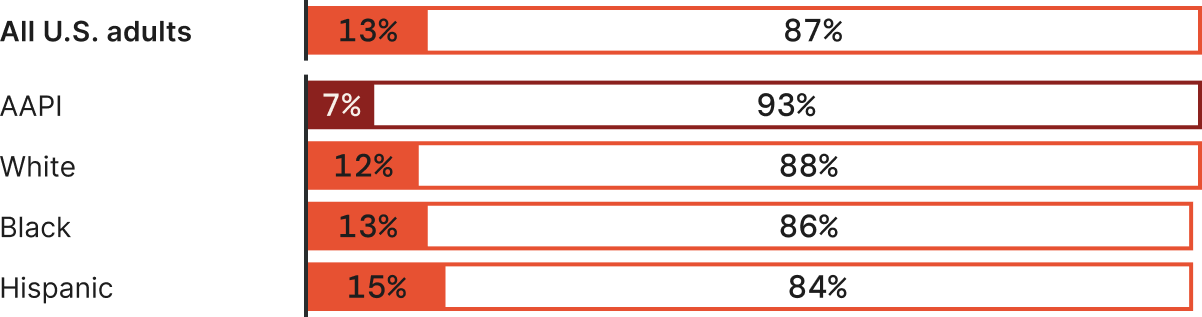
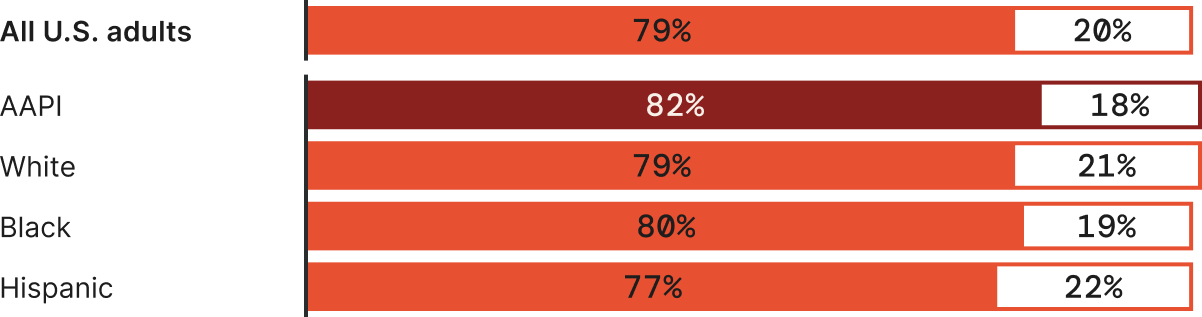
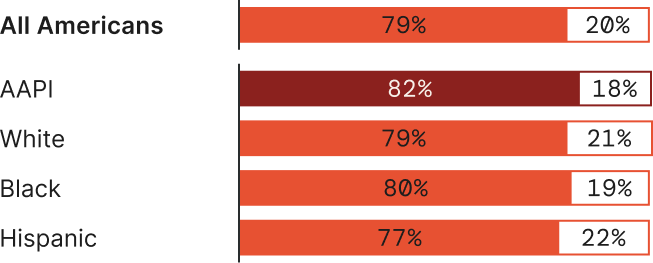
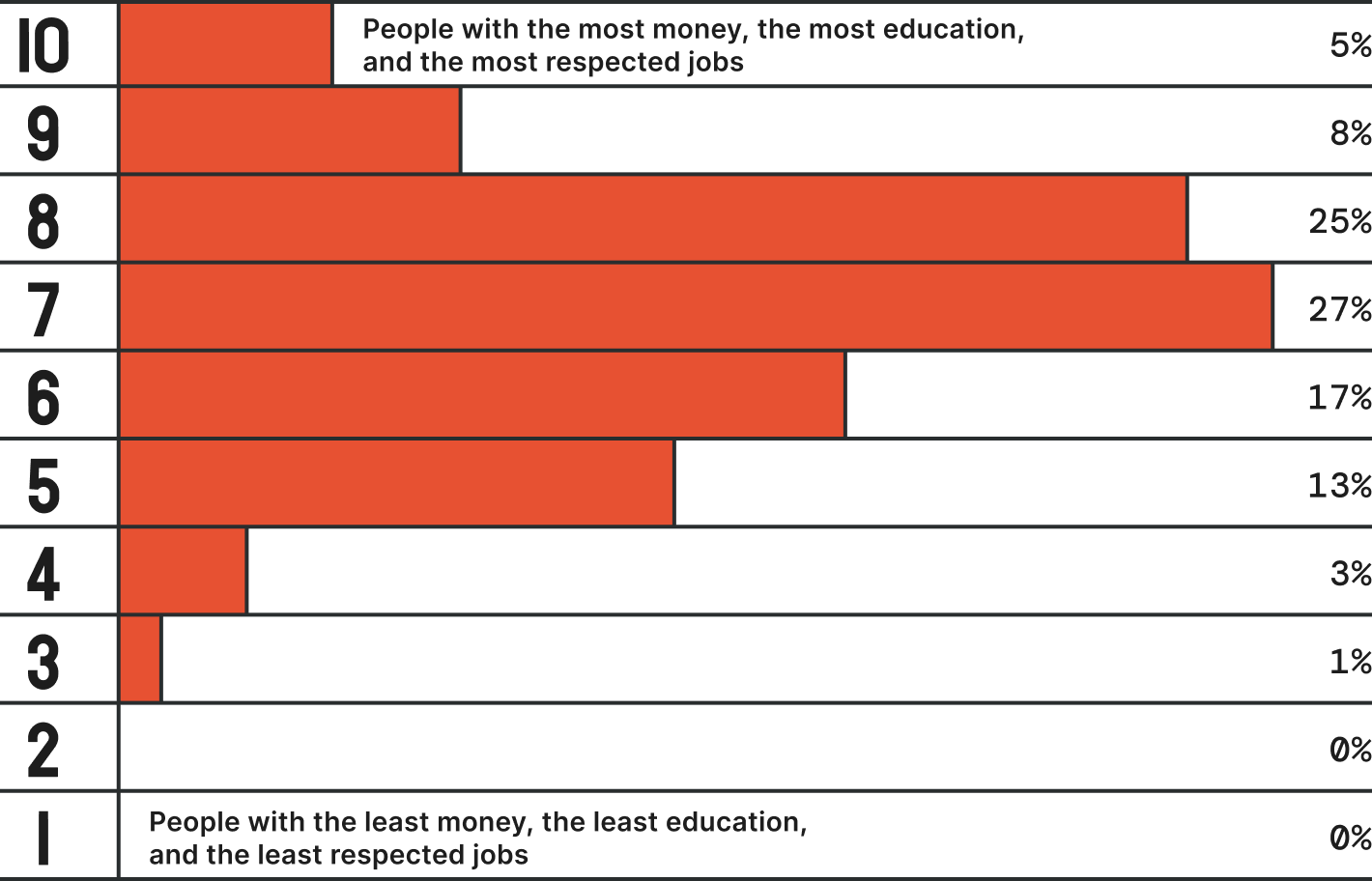
Half of the American public ties “true” American identity to birthplace, but most AAPIs reject that definition, and are more likely than other groups to decouple American identity from being white or Christian. Yet even as AAPIs push back on narrow definitions of belonging, others tend to place them near the top of the social ladder—a perception that sits in tension with the worry, harassment, and exclusion many AAPIs report in their daily lives.

Most U.S. Adults tie American identity to birthplace. AAPIs reject that definition more than any other group

% of American public that says being born in the U.S. is important or unimportant for being “truly American,” by racial and ethnic group

Somewhat or very important

Not at all or not very important

Being white
Being born in the U.S.
Being able to speak English
Being Christian

Note: Those who did not answer are not shown.

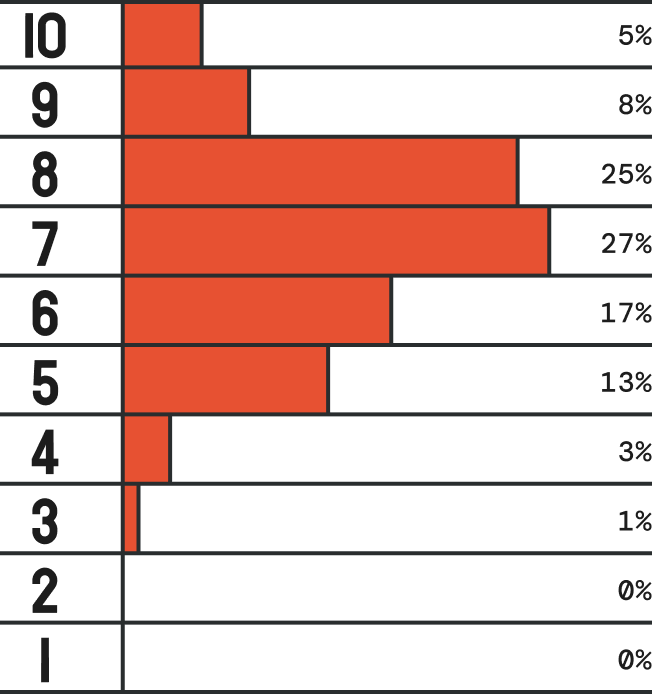
The general public consistently places Asian Americans near the upper end of the social ladder

% of American public who places Asian Americans on each rung of the social ladder

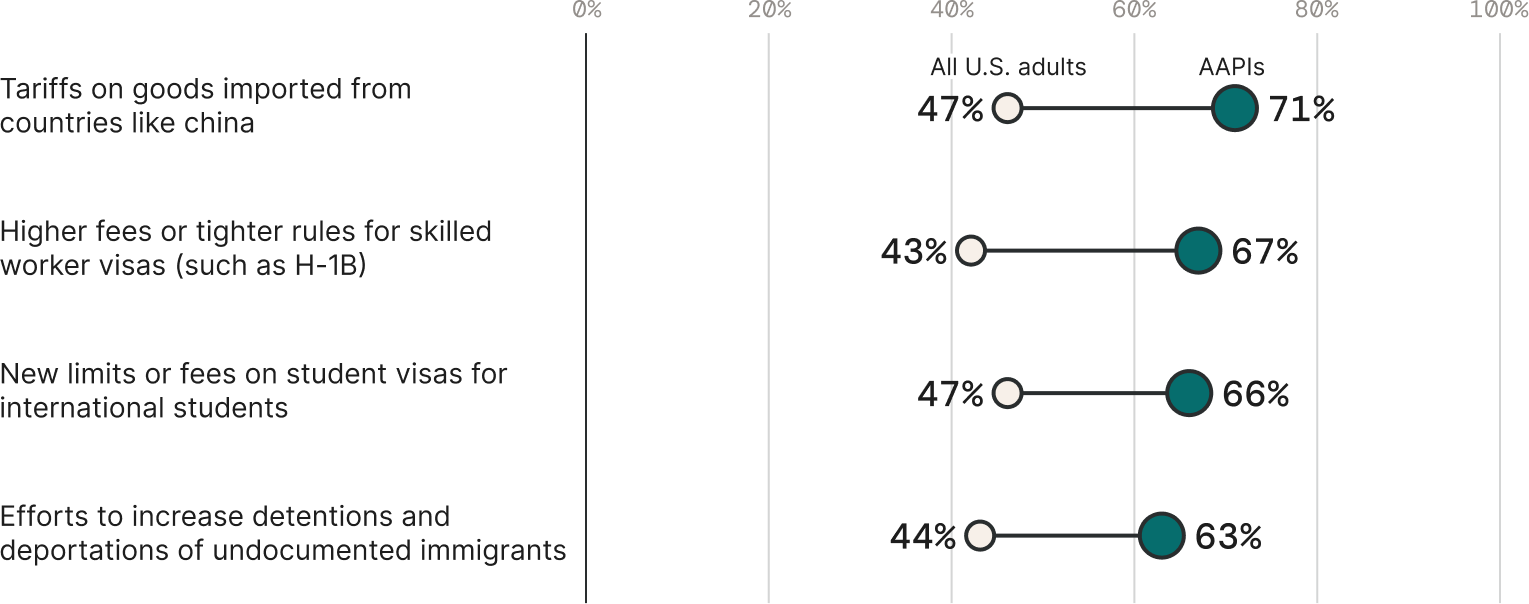
AAPIs are more likely than the general public to say recent federal policy changes have hurt Asian American communities.

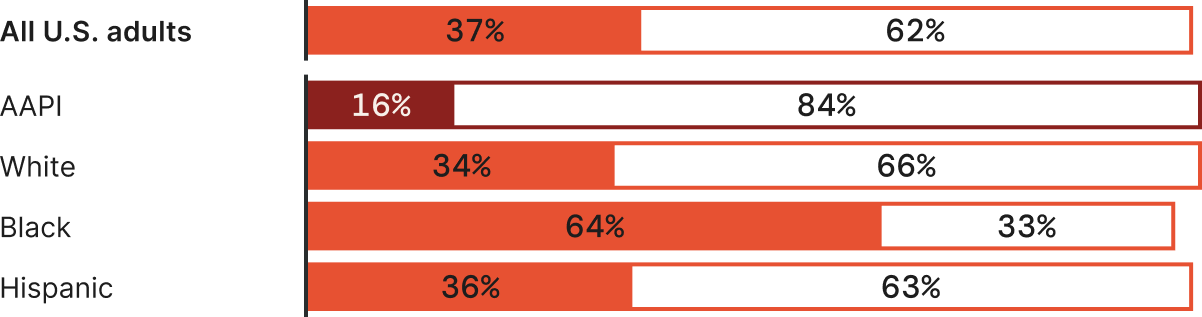
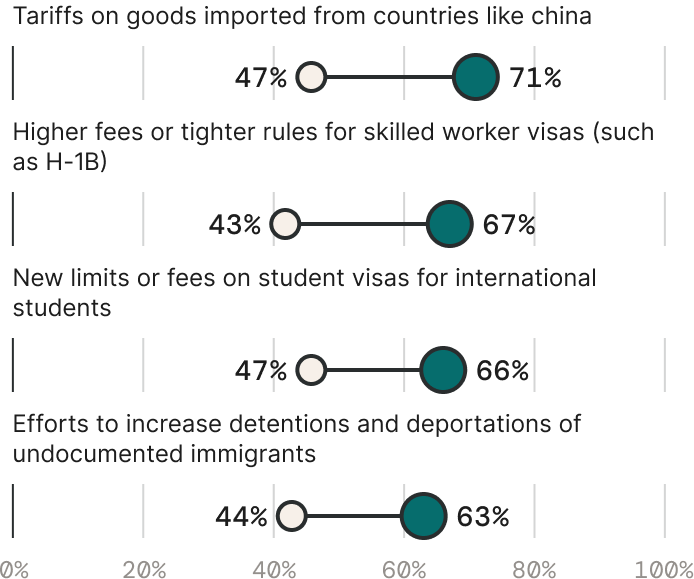
From immigration enforcement to tariffs, federal policy has always shaped the lives of AAPI communities, but this year’s data reveals a significant disconnect. While less than half of all U.S. adults see recent federal actions as harmful to Asian Americans, a majority of AAPIs say otherwise.

AAPIs are more likely than the general public to see federal policies as harmful to their communities

% of all U.S. adults vs. AAPIs who describe the impact of the following federal policies as somewhat or very harmful to Asian American communities

All U.S. adults

AAPIs

44%
of AAPIs say they’re worried—the only group for whom that emotion outranks hope (40%).

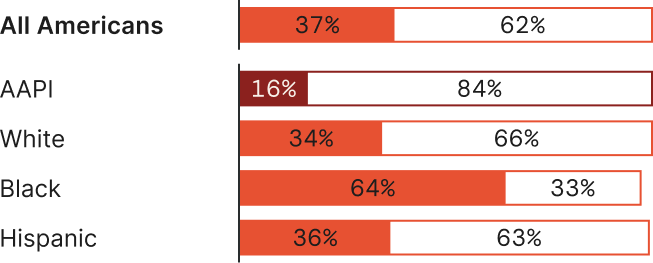
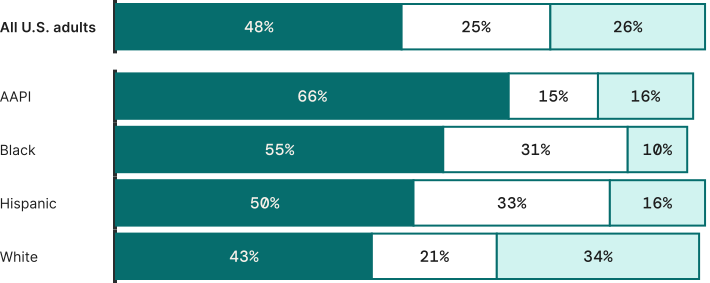
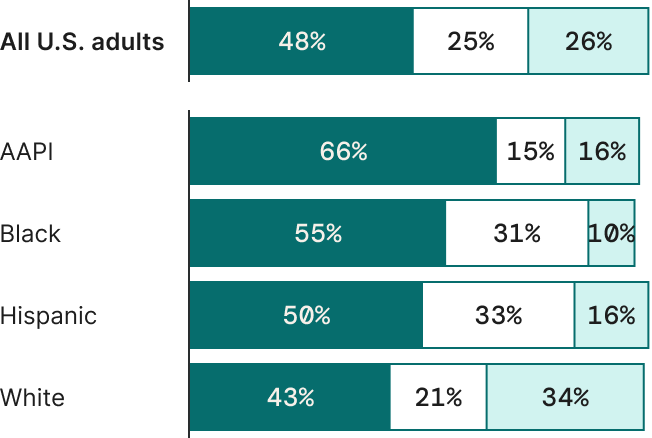
AAPIs express the strongest support for DEI of any racial and ethnic group

% of U.S. adults who express support for DEI programs, by racial and ethnic group

Strongly/somewhat support

Neither support nor oppose

Somewhat/strongly oppose

Note: Those who did not answer are not shown.

1 in 5 U.S. adults believe Chinese Americans pose a threat—but views May Be persuadable

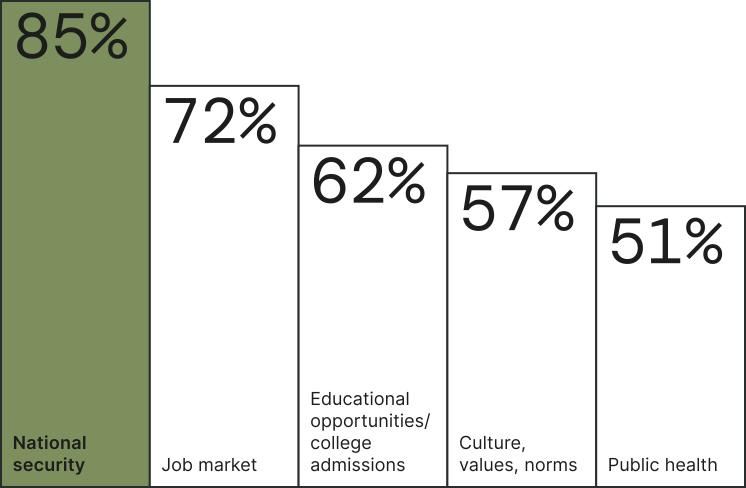
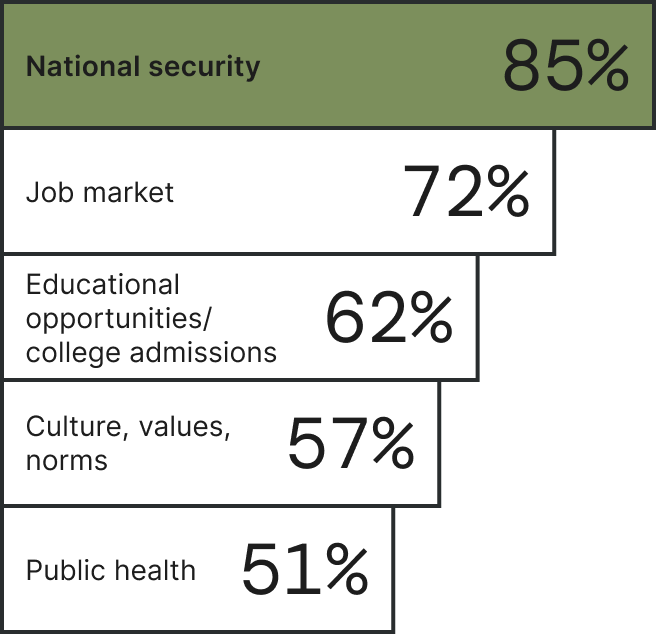
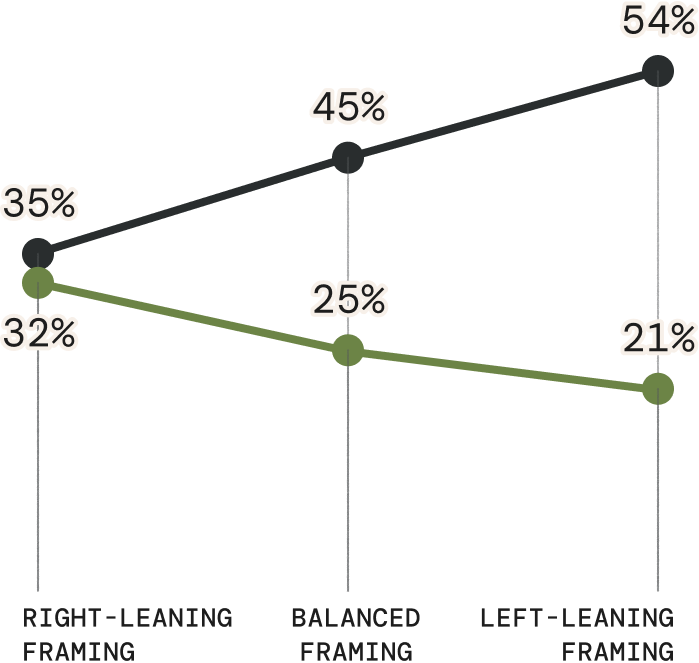
While most of the American public doesn’t view Chinese Americans as a threat, a significant minority does, and its views are concentrated around national security and job market competition. But when the public is presented with arguments on both sides of the political spectrum, support for restrictive policies changes significantly.

Among those who are concerned, national security and job market top the list

% of concerned U.S. adults who cite each area as a reason for their concern about Chinese Americans

But these views shift depending on how the issue is framed

Share of U.S. adults who support or oppose revoking Chinese student visas in critical fields, depending on the arguments shown

Strongly or somewhat support

Somewhat or strongly oppose

AAPIs have a growing cultural footprint, but recognition hasn’t kept up

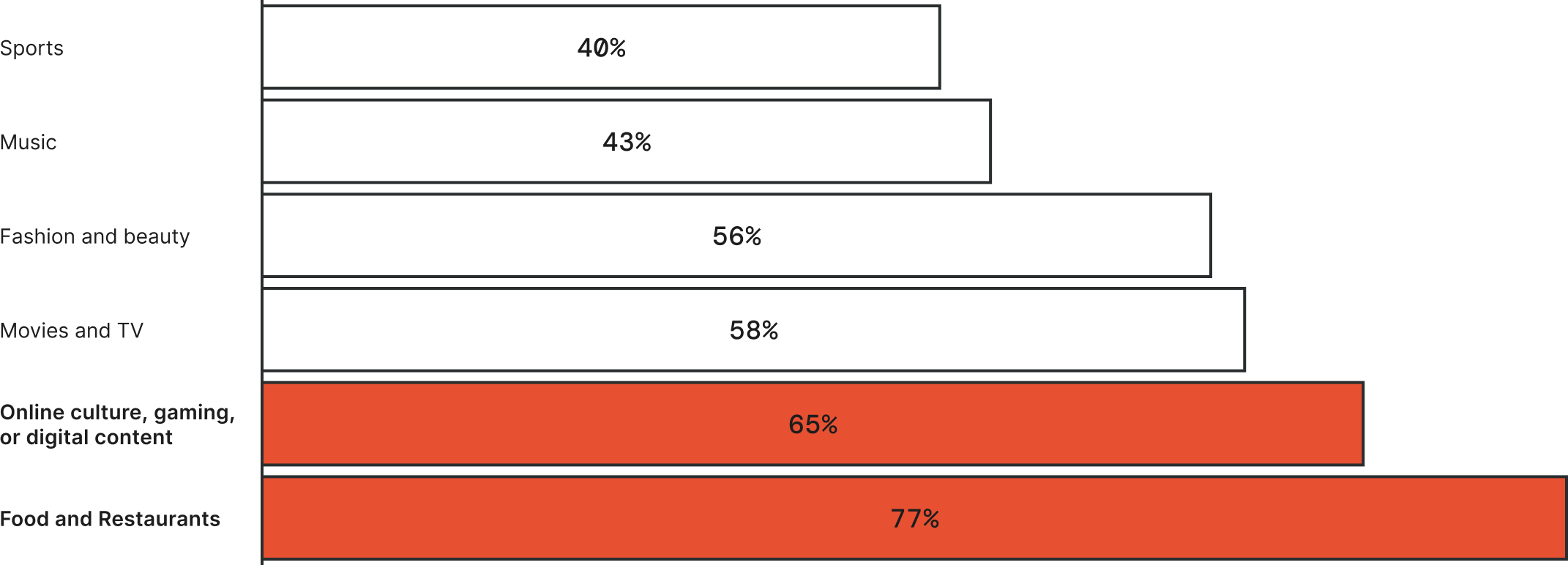
AAPIs shape American life in ways that are increasingly hard to ignore—in kitchens, on screens, and across online spaces. Yet formal recognition hasn’t kept pace. About half of U.S. adults still say AAPIs have little or no cultural influence, and nearly half can’t name a famous Asian American. The gap between contribution and credit remains wide.

7%
of U.S. adults think AAPIs have a great deal of influence on U.S. culture. 49% say AAPIs have little or no influence.

Recognition may be growing—slowly

Nearly 1 in 3 U.S. adults say AAPIs have gained cultural influence in the last five years. AAPIs themselves are even more likely to feel it: Half say their own community has grown in influence. Younger adults (18-24) are more likely than older ones (50+) to recognize that shift. The needle may be moving, but hasn’t moved far enough yet.

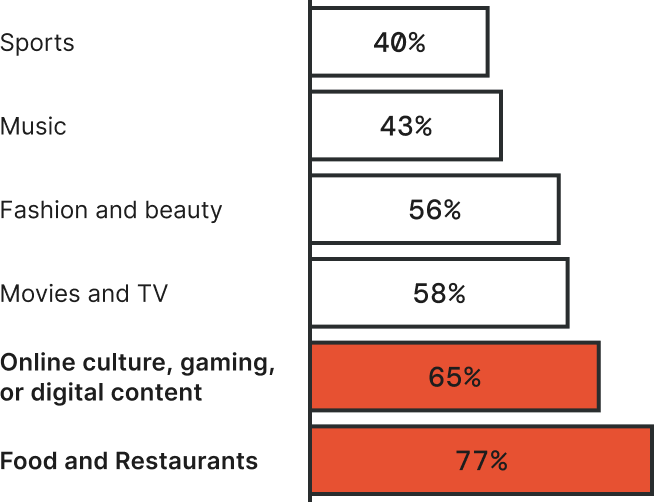
AAPIs are seen as most influential in food, digital spaces, and entertainment

Share of U.S. adults who say Asian Americans have a great deal/a fair amount of influence on each industry sector

Safety challenges persist years after the rise in anti-Asian violence during the pandemic.

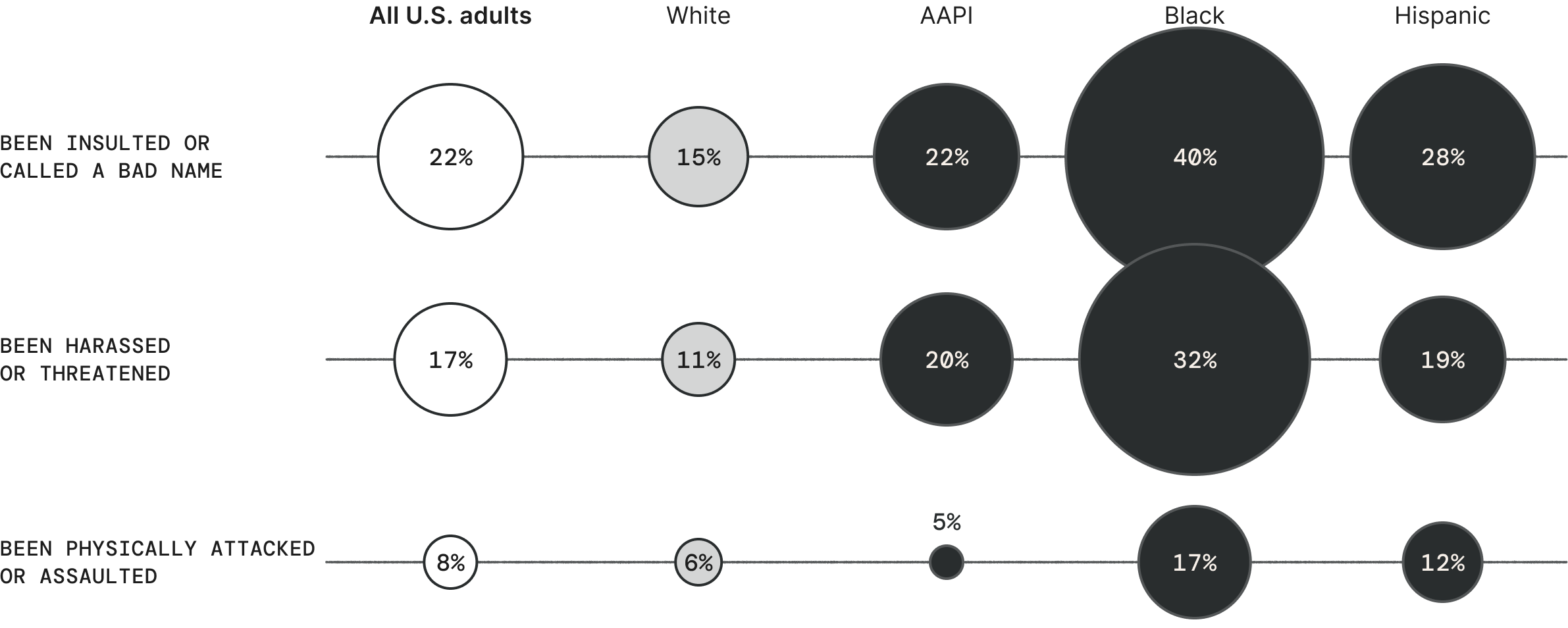
Years after the pandemic-era surge in anti-Asian violence, the data shows safety concerns are still present realities. Like other groups of color, too many AAPIs still experience adverse treatment based on their race or ethnicity.

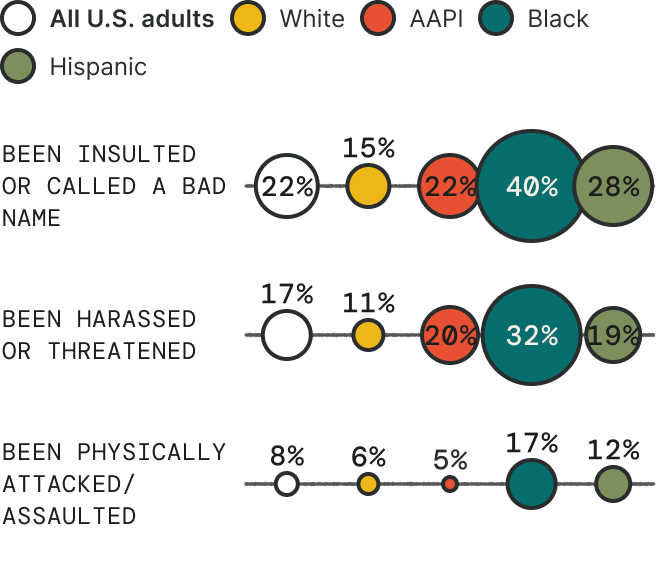
Over 1 in 5 AAPIs report being insulted or harassed because of their race
 in the past year

Share of U.S. adults who report experiencing the following types of race-based incidents at least once in the last 12 months, by racial and ethnic group

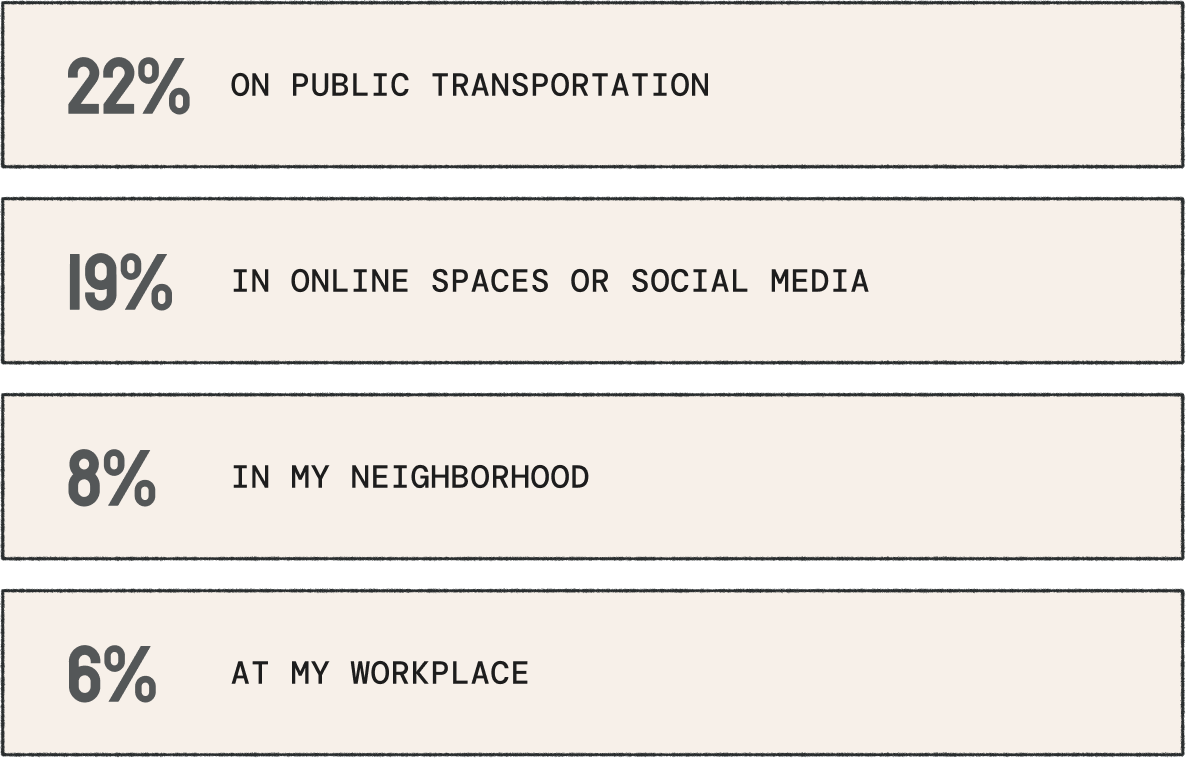
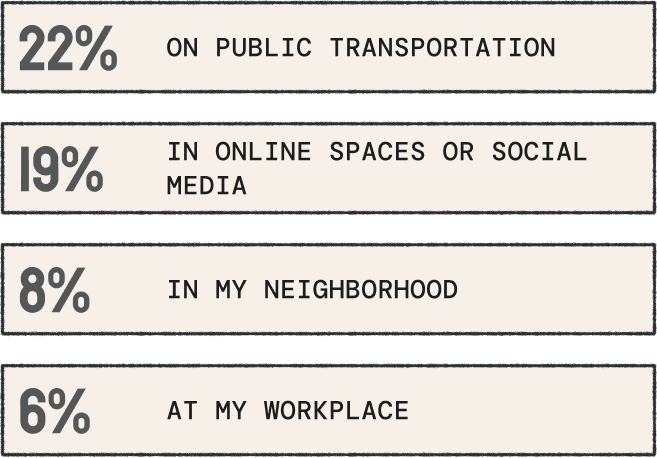
AAPIs feel most unsafe on public transit and online

Share of AAPI adults who report feeling unsafe or uncomfortable in each type of space because of their race or ethnicity in the last 12 months

Americans want to know more about AAPIs.

The barriers to understanding aren’t just about bias—they’re also about awareness. Most of the American public lacks relationships with Asian Americans, and more than half can’t name a single significant moment in Asian American history. But the data also points to something hopeful: Americans are open to engagement.

31%
of U.S. adults say they get no information about AAPIs at all. About 1 in 4 report lacking relationships with Asian Americans.

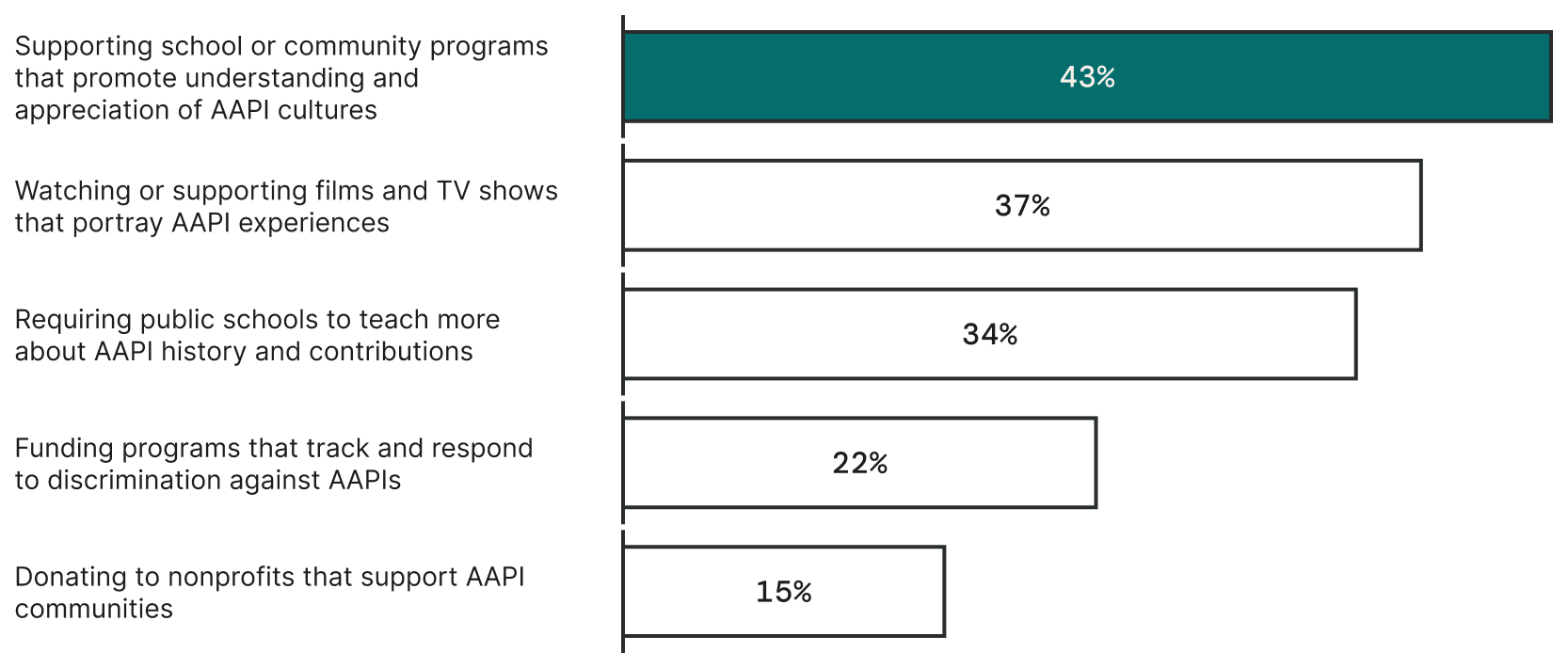
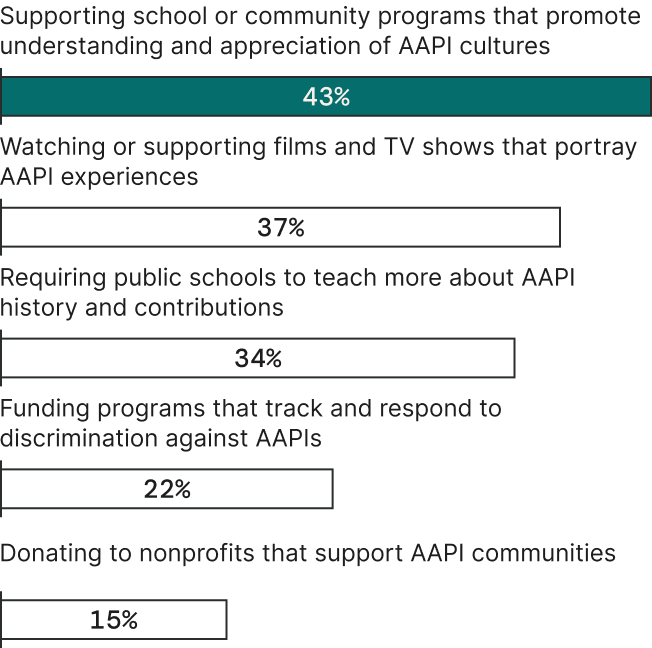
Americans point to education and media consumption as top ways to support AAPI communities

Share of U.S. adults who say they would support or engage in each proposed way of uplifting AAPI communities

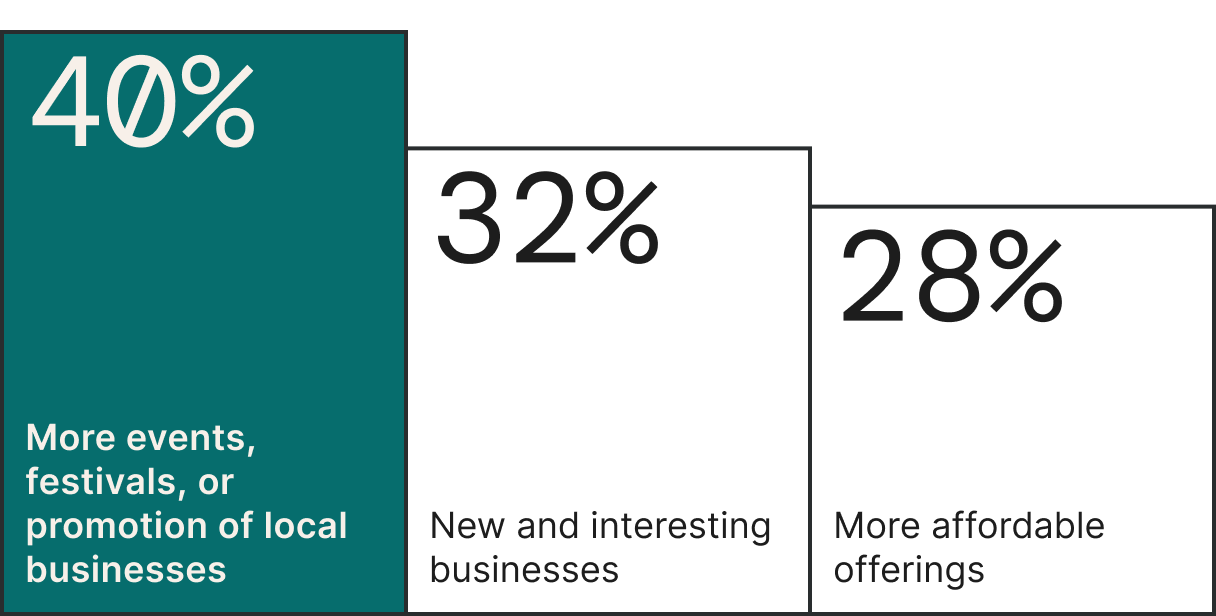
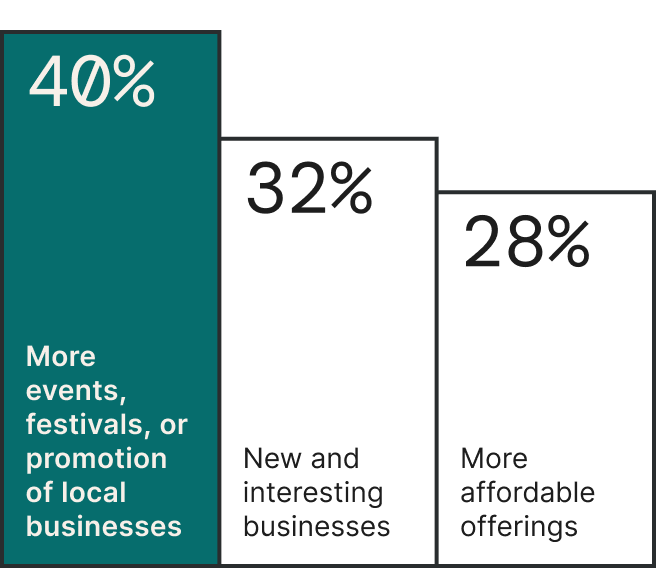
Engagement also happens out in the community. When asked what would encourage them to visit ethnic neighborhoods like Chinatowns, Little Indias, Koreatowns, and Little Saigons more often, Americans point to practical draws: More events and local business promotion (40%), new and interesting businesses (32%), and more affordable offerings (28%).

What would encourage Americans to visit ethnic neighborhoods more often?

Get the full 2026 report

Download the full report

Or download a previous report:

Academic Advisory Committee

The STAATUS Index is advised by our esteemed Academic Advisory Committee (AAC).

Chair
Russell Jeung
Professor of Asian American Studies,
San Francisco State University
Mike Hoa Nguyen
Associate Professor of Education, University of California, Los Angeles
Jin Goh
Assistant Professor of Psychology, University of Illinois Chicago
Harvey Nicholson
Associate Professor of Sociology, Hofstra University
Vinay Harpalani
Don L. & Mabel F. Dickason Endowed Chair in Law, The University of New Mexico
Srivi Ramasubramanian
Newhouse Professor & Endowed Chair; Director of CODE^SHIFT (Collaboratory for Data Equity, Social Healing, Inclusive Futures, & Transformation), Syracuse University
Taeku Lee
Bae Family Professor of Government, Harvard University, Professor Emeritus, University of California, Berkeley
Neil Ruiz
Head of New Research Initiatives, Pew Research Center
Pei-Te Lien
Professor, Department of Political Science, University of California, Santa Barbara
Karen Umemoto
Helen and Morgan Chu Chair and Director, Asian American Studies Center, Professor of Urban Planning and Asian American Studies, University of California, Los Angeles
Jackson G. Lu
General Motors Associate Professor, MIT Sloan School of Management
Paul Watanabe
Professor of Political Science and Director of the Institute for Asian American Studies, University of Massachusetts, Boston

Acknowledgements

Development of the STAATUS Index 2026 was led by Sruthi Chandrasekaran (Director of Data and Research), Matt Kamibayashi (Data and Research Manager), and Lena Pham (Database and Research Specialist) at TAAF.

Norman Chen (Chief Executive Officer) and Georgette Bhathena (Chief Programs Officer) provided key guidance and support, along with other members of TAAF’s Partnerships Programs, and Data & Research teams.

Members of TAAF’s Communications team provided leadership and support on report design and copy, including Joy Moh (Head of Communications and Marketing), Andrew Peng (Deputy Director of Communications), Polly Fong (Deputy Director of Brand and Creative), Noho Monarch (Graphic Designer), Lakshmi Hutchinson (Content Writer), and Sonia Ching (Deputy Director, Marketing).

We are also grateful to the following groups/individuals for the critical roles they played in the implementation of this year’s study:


NORC at the University of Chicago
(data collection + analytical and press support)
IW Group
(copywriting and PR support)
The DataFace
(data visualization and report design)
Blix
(AI-powered text analysis of open-ended survey responses)

Our Partners