
‘Forgotten Island’ is a Celebration of Friendship, Memories, and Culture Set in the Philippines
.png)
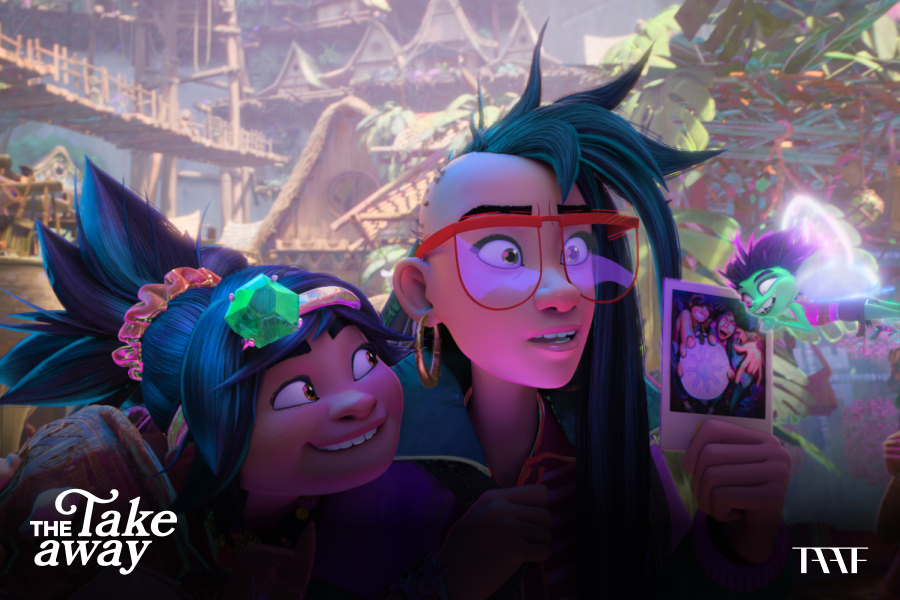
Forgotten Island, the latest feature from DreamWorks Animation, is out in theaters today and it’s a magical tale of friendship told from a proudly Filipino American perspective.
The film follows best friends Jo (H.E.R.) and Raissa (Liza Soberano), who are about to part ways after high school. While celebrating their last night together, they’re transported to the fantastical island of Nakali, where they encounter the supernatural creatures they grew up hearing about from Filipino folklore. What follows is a story of how important our memories are, and just how much we’re willing to give up for true friendship. We spoke with the team that wrote and directed the film, Januel Mercado and Joel Crawford, to see how their own connections to the Philippines and their longtime friendship drove the storytelling.
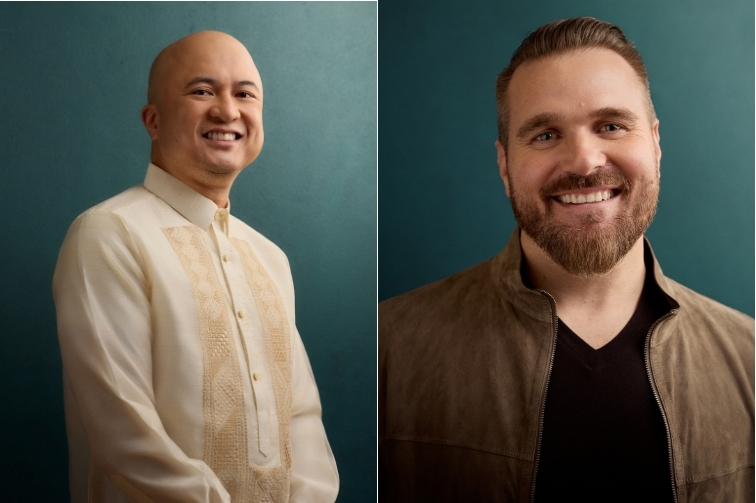
This is one of the first major animated features set in the Philippines. That's a huge milestone for representation. What does that mean to you, and did that create any extra pressure for you guys during the filmmaking process?
Januel Mercado: Yeah, it means the world to us, because the Filipino culture is very personal to us. I'm Filipino American, Joel's wife and kids are Filipino and his best friends were a Filipino family. Growing up and not seeing characters that look like you, and now…seeing trailers of Filipino people all over the globe just tearing up because they see characters that look like them, and the Filipino flag, and the star, and all this iconography to make them swell with pride, that's one of the best feelings in the world.
Joel Crawford: Even the name Forgotten Island—this story is kind of a celebration of anyone who's ever felt left out: forgotten, unsung heroes, down to the people in our lives that matter so much that you just never take the opportunity to tell them what they mean to you, to entire cultures that have never had the main stage. So it means everything to actually get to share this with the world and to see people connect to it.
We don't get to see a lot of Filipino folklore in mainstream media. What did it mean to both of you to be able to introduce that mythology to a wide global audience?
Joel Crawford: It's a really fun opportunity, especially as somebody who's not Filipino but has always been invited in by Filipino culture. My wife would tell me stories that she heard when she lived in the Philippines. And it's been a cool experience getting to see how similar a lot of the myth is to other cultures, but when you see the specific differences and get to celebrate those, you really highlight this culture. For example, there's a weredog in the Philippines. I was used to werewolves, but in the Philippines there are no wolves. And so the myth has become about human-to-dog, and that's such a unique thing.
Januel Mercado: That creature, the Manananggal was a really iconic aswang in the mythology, and I was so happy to show our version. And the cherry on top, that's an iconic DreamWorks villain voiced by the iconic Lea Salonga.

We read that you and some of the team took a trip to the Philippines last year for research. Were there any experiences from that trip that made their way into the final version of the film?
Joel Crawford: Absolutely. There's a moment in the film where Raissa is running on a rooftop and there are all these telephone wires that are trying to take her out. And originally we had a different kind of catalyst of what she was fighting against and clothes lines. And when we saw—they're called the spaghetti wires in the Philippines—it's like by getting specific, you go, "Oh, of course, that's what this moment needs to be." There's so many details like that, that our art department really took hold of.
Januel Mercado: My family in the Philippines threw a big family reunion party for us, and we had already written that scene—and lived it as well growing up—but to have another party and celebrate my homecoming and introduce Joel and the crew to my family there, that added more ideas and more energy as we came back to continue work on these scenes.
Joel Crawford: It's funny, that wasn't even just one detail or scene. I think that party that your family threw set the tone of what we wanted people to feel watching the movie, which is this incredible warmth and invitation to everybody that if you're here, you're family. It was so special. And I remember coming back, we were like, "We got to capture that, bottle that for this movie."
Januel Mercado: And Liza and H.E.R. have been describing it as the Filipino heart, which is integral to the experience.
You also partnered with Snipple Animation in the Philippines for some of the flashback anime-inspired scenes. How important was it for you to have Filipino animators directly shaping some of the visual style of the movie?
Januel Mercado: We're making a Filipino film, telling Filipino stories, so we wanted and needed as many Filipino artists to put their hand on this movie. And when we first walked into Snipple Animation in Quezon City, I nearly had tears in my eyes because I had never seen a studio full of Filipino animators and really talented, top of their game artists as well.
Joel Crawford: It was a joy to work with them. They kept bringing their voices and their personalities, adding ideas to the pieces of animation that they're working on. And it was one of the best collaborations.
Januel Mercado: They matched our stupid/genius.
Joel Crawford: They got our humor.

At its core, the movie is about the fragile nature of memory and the fear of growing apart. Many first-generation immigrants straddle that line of balancing memories from a past life in another country with building new memories in America. How do you feel the movie and its themes are going to resonate with that audience?
Joel Crawford: That’s one of the special things with creating this story, and bringing a cast that has lived so many elements of this story. Dolly de Leon [who voices Lola Fatima] really gravitated toward the idea of people who move away and are doing the best for their families, but are trying to keep their roots. And Liza really brought her experience of coming here from the Philippines, and that fear of leaving people behind and not wanting them to feel abandoned, but to know you're doing this for them. And one of the big themes that evolved was about identity—that no matter how far you travel, if you know where you came from, you know where you're going. And so much of that is tied to your roots and celebrating them, but also friendships.
We want people, and especially the industry, to know: don't be afraid of the specificity. -Januel Mercado
How do you hope this movie pushes the boundaries of what culturally specific stories can achieve in mainstream Hollywood?
Januel Mercado: We want people, and especially the industry, to know: don't be afraid of the specificity. Because we're always saying, and Scorsese said this too, what is specific is universal because it is coming from a place of your authentic experience and the human experience and your point of view. And I am fully confident that audiences are smart and know what's real and what's genuine. And these are the high quality stories that we want to keep seeing.
Joel Crawford: I think this movie especially challenges a lot of the norms, not just culturally, but also the expectations of what an animated film should be. And to be able to tell a story that, with the Philippines as a backdrop, celebrates friendship and memories. I think people will find that this movie is so universal because it's a human story. And our hope is that people show up and support this film, because this is the way we get more fresh, more specific films, but you've got to show up and be heard.
What do you hope this film signals to the next generation of AAPI creators trying to tell their own stories?
Januel Mercado: We want them to feel empowered and inspired to share their cultures and to tell their stories, because there is space and platforms for all our stories. And there's another saying that we like, which is that every song has been sung, but it hasn't been sung by you and we want to hear your voice.
Forgotten Island is released in theaters today.