Photo credit: Jimmy Fontaine
Linkin Park’s Joe Hahn on New ‘Unshatter’ Documentary
.png)
Linkin Park: Unshatter, out in theaters September 30, shows a band rebuilding after tragedy.
One of the biggest bands of the 2000s, with hits like “In the End” and “Numb,” Linkin Park disbanded after the passing of lead singer Chester Bennington in 2017. It came as a surprise to many when in late 2024 the band announced they were reforming and releasing a new album, with Emily Armstrong taking on vocals along with co-lead vocalist Mike Shinoda. Joe Hahn, Linkin Park’s DJ/creative director and founding member along with Shinoda, has directed the new documentary which follows how the band came together again.
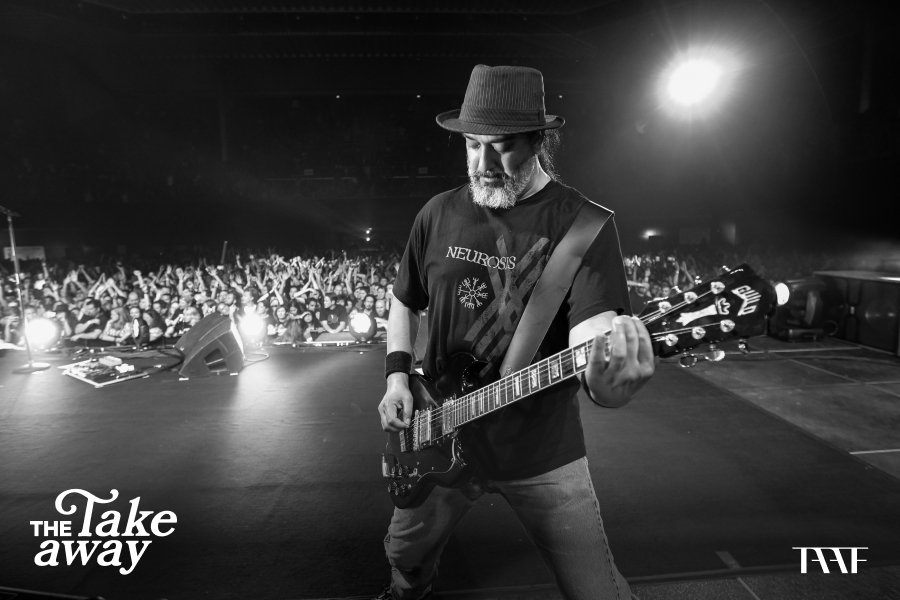
Part candid footage and part concert film, Linkin Park: Unshatter provides a glimpse of early recording sessions with Armstrong and new drummer Colin Brittain, before they were officially in the band—and before it was clear that the band would even be Linkin Park. From those beginnings, the film moves on to Linkin Park’s first concert with the new lineup in São Paulo, Brazil. I caught up with Joe Hahn to chat about the film, making music again, and changes in AAPI representation in the music industry.
.jpg)
What made you want to tell this story now?
Joe Hahn: It's just the right thing at the right time. We had this archival footage and we had the opportunity to shoot this concert on our album release date. And when that opportunity came, yes, we wanted to play in front of a larger audience, and theatrically I think that was cool, but I really felt strongly that a lot of it deserves an explanation. Seeing things unravel speaks a lot more to the reality of what happened, what took us to this point. So it worked on many levels. I think as a filmmaker, I knew that I could put the pieces together in a way that would just make the band look as authentic as possible.
Then also just being on the inside, being part of the band, the access I have as a friend and band mate, I knew that we were at a time where it took a lot of openness to get the band back together. I think I knew that I had trust in the interview process and trust with making the film from everyone to try different things and just to get everyone to open up and be as honest as possible. So yeah, it was very obvious to me that I would be the only one that could tell this story.
In the film Mike talks at one point about the prospect of doing smaller shows if people ended up not liking the band anymore. And knowing that could be the case, why was it so important to work together again?
That conversation was more about not being so focused on the result, and being focused on the reason for doing it. And that it was important for me to get back to the basics of why we did this in the first place. When we were kids getting together to make music, we weren't expecting big success. And I think it was important just to get back to that because all of the good things that happened was a result of that, getting back to basics. And I know times change, people's tastes change, media consumerism evolves, and maybe you're just not cool anymore. But the one thing I knew is there was a big void in my life from not doing this anymore in conjunction with the way things ended. So it was important for me to give it another shot. Even though we tried before that, it didn't work out because we're all in different places in life. It was important to just be aligned with each other and just make some noise again.
"You feel guilty because you're not doing this with your partner and your friend. You're also sad because he's just not there and it's a void that can't be filled."
Was making music together again after the loss of Chester difficult, or did you find it to be a form of healing?
It's every feeling that you could imagine having, good and bad. You feel guilty because you're not doing this with your partner and your friend. You're also sad because he's just not there and it's a void that can't be filled. And so it was important for us to not just go out and find a singer, because that would've just felt weird just to replace someone. And so it was really just important to build from the ground up and find the reasoning of why you're doing this. And I think that was the foundation for us to be on the same page, grow with each other. And I think it's from finding the joy in what you do that new ideas and possibility sprouts off from.
What has the reception from fans been like for Emily and Colin?
It's been amazing. It was important for us when we decided to work with Emily. First of all, it was almost like this gift was presented to us, just walked in the door one day. Because she's not just an amazing talent, but an amazing person and fits with what we're doing so well. And same with Colin. There just happened to be two people amongst many people that would just come in and then we just wanted to have them around making music with us. And it was important for it not to be a carbon copy replacement, but a new beginning.
Taking it back to your own background, you’re a child of immigrants who chose a really unconventional path. How did you get into DJing and art?
I actually wanted to be a comic book artist, and that's really all I cared about when I was young. But I think being able to be in different environments and seeing what other people are doing, I naturally shifted around to so many things instead of being so singularly focused on one thing. I think there was disappointment when things didn't work out that way, but I think when one door closes, you have to keep your eyes out for others that open. And the underlying principle of the things you love can be in other places. So I went to art school and then I ended up, instead of comics, I was doing concept work for film. That gave me curiosity to pursue filmmaking or just understand it when opportunities came, which they did with music videos.
And then in college, my love of music was shared in conversations with other guys, one of them being Mike, who I went to art school with. And then that geeking out over music just became like, "Hey, let's make something." And then that became a regular thing and that ended up becoming Linkin Park. When you chase something, disappointment will definitely happen along the way but it'll allow you to move to whatever is in store for you next.
And I remember being in the industry, we didn't get signed to a record deal. I think pretty much every label passed on us because we didn't fit any format at the time. It's understandable because companies are spending a lot of money and taking a big risk, and a lot of it's based on past successes and how you can piggyback on that success. So that was the reason for us not getting the recognition to even put out a record until someone took a chance on us.
"Now an Asian American young person can have that confidence of being able to fit in, maybe being looked up to in a way that I didn't feel when I was younger."
You were the first Korean American to win a Grammy in 2002, and then this year we saw a K-pop win with “Golden.” Really different genres, but do you think anything has changed in terms of representation or recognition of Asian American artists in the industry?
It's changed so much. When I was younger, there wasn't anyone in Western pop culture music around. It was just follow your dreams and become who you imagine yourself to be. And there's been so many in the Asian American community that have done that, especially in the last few decades. And I think the stuff that has crossed over from Korea to the US has been crazy, especially BTS. I went to their concert over the weekend and, of course their music is great in their performance, but as people they really connected with bands worldwide in a genuine way. That's the reason why they've become the force that they have—they've achieved success while still being themselves. And I really appreciate that about them. There's so many other things that are just getting to the root of human connection and building from there. So I think K-pop Demon Hunters definitely connected with so many in that way.
And I like the fact that everything I'm describing is the new normal where now an Asian American young person can have that confidence of being able to fit in, maybe being looked up to in a way that I didn't feel when I was younger. So it's cool when I hear mention of things other people are doing, or how I was important in a moment in someone's life. I think that's pretty cool because now everyone else can do it for someone else.
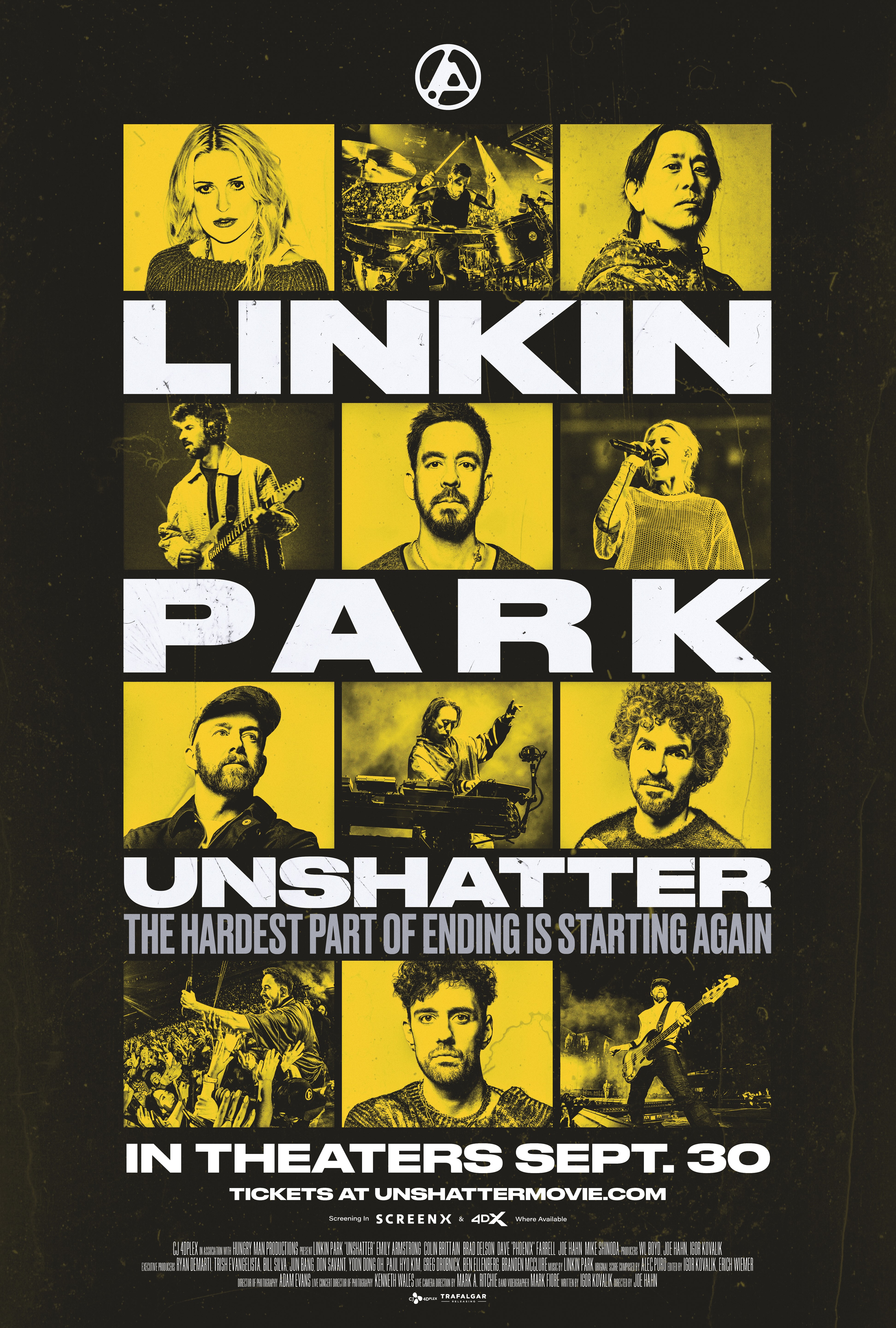
Linkin Park: Unshatter is in theaters September 30, and will be presented in SCREENX, 4DX and 2D worldwide. Soundtrack album Unshatter (Live In São Paulo) is out on September 25 and available for preorder.